If you manage type 2 diabetes, dietitian Renee Zahar wants you to focus on these items on your shopping list.
“Fill your plate with plenty of plant foods, quality proteins, healthy fats, and minimally processed foods to support your long-term health,” says Zahar.
“A healthy eating pattern can help protect both your heart and your blood glucose levels,” she says.
Food plays a vital role in the management of type 2 diabetes. Let’s explore how meal sizes, snack and heart-healthy choices, and low G.I. foods can assist with the management of type 2 diabetes.
Size matters
A common piece of advice for people who manage type 2 diabetes is to plan their snack and mealtimes. Zahar notes that there’s no one-size-fits all approach.
“While some people benefit from eating regular meals and snacks throughout the day, others may do well with three balanced meals and no snacks at all,” she says.
Zahar points out that you need to consider appetite, lifestyle, health goals and medications.
“Some diabetes medications can increase the risk of low blood glucose levels. In these cases, snacks may help maintain stable levels throughout the day,” she says.
“For others, avoiding unnecessary snacking can help support weight management and reduce mindless eating.
“Ultimately, the most suitable eating pattern is the one that is practical, enjoyable, and can be maintained long term.”
If you’re unsure where to start, talk to your GP or a dietitian.
Saintly snacks
When a snack craving hits, Zahar recommends that you focus on specific types of foods.
“…aim for options that provide protein, fibre, or healthy fats, as these can help keep you feeling satisfied between meals,” she says.
Zahar’s list of ideal snacks include:
- A boiled egg
- A small handful of unsalted nuts and seeds
- A small tin of tuna, salmon, sardines, salt reduced baked-beans, or chicken
- Plain yoghurt topped with berries and a sprinkle of chia seeds, nuts and cinnamon
- High protein yoghurts
- A piece of fresh fruit with a few nuts
- A glass of plain milk or higher protein non-dairy milk
- Matchbox portion of cheese with cut-up vegetables such as cucumber, capsicum, or carrot
- Wholegrain crackers like Vita-Weats topped with Vegemite and cheese, or 100% nut butter
- Air-popped popcorn
- A homemade muesli bar or a lower-sugar, higher-protein store-bought option
- Vegetable cut into sticks such as carrots, green beans, mini cucumbers, or cherry tomatoes with cottage cheese, hummus, tomato salsa, or tzatziki
- Cucumber rounds topped with cheese as a simple alternative to crackers
“The best snack is one that suits your appetite, lifestyle, and health goals,” says Zahar.
“Remember, snacks aren't essential for everyone.
“If you're not hungry between meals, you may not need one at all.”
Say ‘hi’ to low GI
One of the most common questions that Zahar gets about food is: what are low GI foods?
“GI stands for Glycaemic Index,” says Zahar.
“Which is a measure of how quickly a carbohydrate-containing food is broken down into glucose and enters the bloodstream.
“Low GI foods are digested and absorbed more slowly, resulting in a steadier release of energy over time rather than a rapid rise in blood glucose levels.
“Think of it like a slow and steady fuel supply, compared with a quick burst of energy that doesn't last as long. These quick bursts are called high GI foods.”
Examples of low GI foods include:
- Beans and lentils
- Traditional or rolled oats
- Grainy breads or sourdough
- Milk
- Yoghurt
- Many fruits, like apple, berries, orange and mango
Zahar wants to remind you to pay close attention to the labels on low GI foods.
“It's also important to remember that a "low GI" label doesn't automatically mean a food is healthy. In some cases, highly processed foods may still have a low GI because their fat content slows digestion, even though they're not particularly nutritious.”
Importantly, Zahar describes choosing low GI foods as just “one piece of the puzzle”.
“Choosing mostly whole, minimally processed foods is one of the simplest and most effective ways to support your health and manage type 2 diabetes,” she says.
A helpful approach is to first focus on the overall quality of your food choices, followed by portion size. Finally making a low GI option makes it a great choice.

Medibank Type 2 Diabetes Program.
Our program combines weight management and dietitian advice, to help support eligible members living with type 2 diabetes. Clinical and product eligibility apply.
Lowering the GI of food
There are some preparation and pairings that can lower the glycaemic index of food.
Here’s Zahar’s guide to how to get the most out of low GI eating:
- Include a source of protein with meals, such as eggs, fish, chicken, legumes, yoghurt, or tofu.
- Add healthy fats like avocado, nuts, seeds, or olive oil.
- Include plenty of high-fibre foods, particularly salad vegetables, legumes, and whole grains.
- Add a little acidity to meals, such as lemon juice or vinegar.
- Leave the skins on vegetables like potatoes where appropriate, as this can increase fibre.
- Try cooked and cooled carbohydrates, such as potato salad or chilled rice, which develop resistant starch that is digested more slowly.
- Freezing and toasting bread can also slightly reduce its impact on blood glucose levels.
“Perhaps most importantly, focus on the overall balance of your meal rather than obsessing over the GI of individual foods,” says Zahar.
“A meal that includes vegetables, protein, healthy fats, and quality carbohydrates is often more beneficial than focusing on a single ingredient.”
Heart-healthy foods
Foods that support heart health have a lot of in common with the foods you should focus on if you manage type 2 diabetes.
“Many of the foods that support heart health are the same foods recommended for people living with type 2 diabetes," says Zahar.
According to Zahar, heart-healthy foods include:
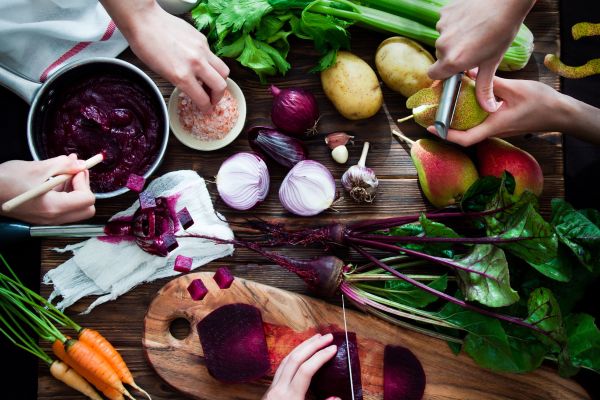
- Plenty of vegetables with different colours
- Fruit
- Whole grains
- Legumes
- Nuts
- Seeds
- Healthy fats such as olive oil and avocado
“It's also important to choose lean sources of protein, including fish, seafood, chicken, eggs, tofu and dairy foods,” she says.
What does Zahar think of the Mediterranean-style diet?
“…[it’s] often recommended because it combines many of these heart-healthy foods and has been shown to support both heart health and diabetes management.”
READ MORE: Heart-healthy foods: diets to help reduce heart disease risk
Stay hydrated
Hydration is important for everyone, but Zahar says it’s especially important for people who manage type 2 diabetes.
“When blood glucose levels are high, the body tries to remove excess glucose through urine, which can lead to fluid loss and increase the risk of dehydration,” says Zahar.
“Drinking enough water helps your body function at its best and supports healthy blood glucose management. It can also help replace fluids lost throughout the day, particularly during hot weather or physical activity.
“If you're feeling thirsty, tired, have a dry mouth, or notice darker urine, these may be signs that you need more fluids.”
Foods to limit
Zahar prefers to think about foods to limit rather than avoid.
“Rather than focusing on foods to avoid, it's often more helpful to think about foods to enjoy less often and foods to include more regularly,” says Zahar.
“…it's a good idea to limit highly processed foods that are high in saturated fats, salt, and added sugars, such as some takeaway foods, processed meats, pastries, chips and sugary drinks.
Balance is key
There’s a lot to think about when it comes to food and the management of type 2 diabetes, but Zahar wants you to remember one thing.
“The goal is balance, not perfection,” says Zahar.
“Many people think they need to follow a strict diet to manage type 2 diabetes, but a healthy and sustainable approach is usually far more effective than aiming for perfection. What matters most is your overall eating pattern and the choices you make consistently over time.”
Bon appetite!
Frequently Asked Questions
Is coffee good for type 2 diabetics?
“Yes, people with type 2 diabetes can enjoy coffee,” says Zahar.
“However, the effect of caffeine on blood glucose levels varies from person to person.
“As with many aspects of diabetes management, the best approach is to monitor your blood glucose levels and pay attention to how your body responds. For most people, a simple coffee made with minimal added sugar is perfectly fine as part of a healthy lifestyle.”
Is banana healthy for type 2 diabetics?
“Bananas can be a healthy and nutritious choice for people with type 2 diabetes, especially when enjoyed in appropriate portions,” says Zahar.
“Interestingly, the firmer the banana, the better. A banana that is still slightly green and firm contains more resistant starch, making it a lower GI food than a fully ripe banana. Resistant starch is a type of carbohydrate that is digested more slowly and also acts as a prebiotic, helping to nourish the beneficial bacteria in your gut."
What are the best nuts for type 2 diabetics?
“The good news is that almost all nuts are a healthy choice for people with type 2 diabetes,” says Zahar. “The main exception is chestnuts, which contain significantly more carbohydrate than other nuts.
“Nuts are also rich in healthy fats, fibre, plant protein, vitamins, and minerals, making them a satisfying snack that can help keep hunger at bay."