-
A growing body of research suggests that regularly noticing what’s going well can support better mental wellbeing, improve sleep, and strengthen your connections with others. We spoke to Medibank psychologist, Alison Sutton on how to harness the power of gratitude for a happier and healthier life.
In a world that constantly tugs at your attention – often towards what’s stressful or uncertain – choosing to pause and notice what’s going well can be surprisingly powerful. Gratitude is one of the simplest and well researched ways to support wellbeing, yet many of us don’t know how or don’t prioritise practising it.
Alison says gratitude matters because it shifts our lens.
“It helps shift our attention to what’s already meaningful and supportive in our lives – the things that are already there and bringing us joy,” she explains. “Our minds have a natural negativity bias – we’re wired to notice problems or potential threats. Gratitude doesn’t ignore that, but it helps gently rebalance it.”
Benefits of gratitude
Stopping to smell the roses is not just simple, it’s effective. Regularly focusing on what’s going well can improve mental wellbeing.
Studies suggest that practising gratitude can help people:
- feel happier and more optimistic
- cultivate more zest for life
- experience lower stress
- sleep better
- strengthen relationships
Gratitude has also been shown to support people living with depression, anxiety and stress. Alison says part of its power lies in how it changes what we pay attention to. “It’s about intentionally noticing the good moments - the connection, the support – the things that might otherwise just pass us by.”
Easy ways to practise gratitude each day
Gratitude doesn’t have to be complicated or time consuming. Here are some practical, everyday ways to build gratitude into your routine.
1. Keep a gratitude journal
One practical way to build a regular gratitude habit is to keep a gratitude journal. Taking just a few moments each day to reflect on the positive things in your life can start to shift your mindset.
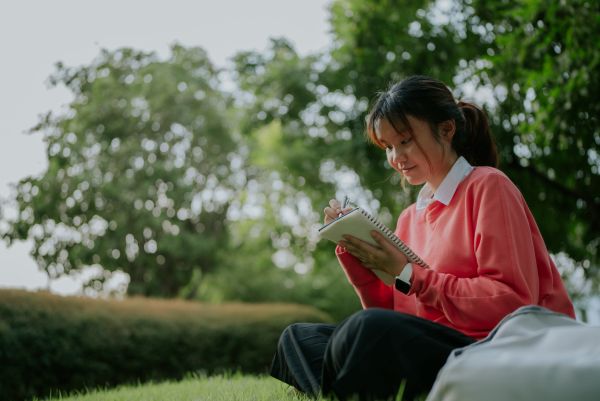
Alison emphasises that the practise doesn’t need to be grand. “I have a notebook next to my bed, and I write down three things that went well for me that day,” she says. “It’s not about listing big, great things in life – that can become repetitive or meaningless. It’s about noticing what went well that day.”
These might be very small things: a warm cup of tea, a helpful phone call, a moment of laughter, or finally ticking something off your to-do list.
If writing isn’t your thing, you could try keeping a notes file on your phone or using photos – snapping a quick picture of something you feel grateful for and revisiting your collection at the end of the week.
READ MORE: How to create a gratitude ritual
2. Share your gratitude with others
Noticing something positive – a friendly barista, a moment of sunshine, an unexpectedly kind gesture – and naming it out loud can lift not only your own mood but someone else’s, too.
Expressing appreciation can be as simple as:
- sending a quick message to someone who helped you
- thanking a colleague for their support
- telling a family member something you enjoyed about the day you spent together
- acknowledging a stranger who brightened your morning.
Alison also brings gratitude into her family routine. “With my kids at night, we’ll share one moment of gratitude or one thing that went well for us that day,” she says. “Whether it was at school or anywhere else – what was one thing that went well today?” She admits it doesn’t have to be perfect. “We try to do it most nights, but it doesn’t always work out like that in the chaos of life,” she says.
These kinds of habits can help children and adults alike to notice and name positive experiences, even on tougher days.
3. Be creative
Tapping into your creative side can also help positive thoughts flow more freely.
You might like to try:
- writing a handwritten letter to someone you appreciate
- baking something for a friend, neighbour or colleague
- painting, drawing or crafting something that makes you happy
- keeping a visual diary or scrapbook where you collect images, ticket stubs or small mementos that represent moments of thankfulness.
Creative gratitude practises can be especially useful if you find writing lists challenging. They invite you to slow down, reflect, and express appreciation in a way that feels natural to you.
4. Focus on people
Our relationships play a major role in our happiness levels. Focusing your gratitude practise on the people in your life – the ones who support you, inspire you, challenge you kindly, or simply make you laugh – can strengthen connection and help nurture healthier relationships.
You might choose a different person each week and note down what you value about them or tell them directly.
5. Take mindful pauses
Gratitude and mindfulness often go hand in hand. Alison says even tiny acts of awareness matter. “Sometimes it’s just a mindful pause – noticing the sun’s shining or sitting with my coffee for a couple of minutes,” she shares. “Just being present with what’s happening and the small things that bring you joy.”
These brief pauses can happen anywhere – during your commute, while you’re hanging out the washing, or as you wait for the kettle to boil. The key is to pay attention and allow yourself to register, “This is nice,” even if only for a moment.
If you’re already exploring mindfulness, gratitude can be an accessible next step. You might like to alternate between a short breathing exercise one day and a “three good things” reflection the next.
READ MORE: How to practise mindfulness
Building a gratitude habit is about consistency, not perfection. Whether it’s writing in a journal, sharing something that went well at dinner, or taking a two minute pause in the sunshine, small acts of thankfulness can add up over time – helping you feel a little more grounded, connected and well in the middle of everyday life.
How gratitude makes you happier and healthier

Our expert: Alison Sutton, Registered Psychologist
Alison Sutton is a psychologist with over 20 years’ experience supporting individuals and organisations across mental health, wellbeing and behaviour change, with a focus on helping people build resilience, connect with what matters most and create greater balance in their lives.
-
How to prevent hearing loss
Protecting your ears is the best form of prevention. We spoke to audiologist about how to help prevent hearing loss and steps you can take to protect your hearing.
-
Donating blood saves lives
A first-hand account of donating blood, including how to do it and who is eligible.
-
How your pet boosts your mental health
We spoke to a psychologist about how pets can help support your mental health, from reducing stress to giving us a sense of purpose.
-
How to help boost your immune system
We ask a doctor to break down the role the immune system plays in the body, and how sleep, stress management, exercise and diet can help to boost the immune system.
-
Food for sleep
A dietitian explains the role tryptophan and melatonin play in the body, the best foods to improve the quality of your sleep and what not to eat before bedtime.
-
The many benefits of volunteering
When you volunteer, the good doesn't stop there. Research has found that those who give their time for something are usually happier and healthier than those who don’t.






References
Diniz G, Korkes L, Tristão LS, Pelegrini R, Bellodi PL, Bernardo WM, 2023, The effects of gratitude interventions: a systematic review and meta-analysis, Einstein (Sao Paulo)
Kirca A, M Malouff, J & Meynadier, J, 2023, The Effect of Expressed Gratitude Interventions on Psychological Wellbeing: A Meta-Analysis of Randomised Controlled Studies, International Journal of Applied Positive Psychology
Lechner L, 2019, Gratitude and health: An updated review, The Journal of Positive Psychology